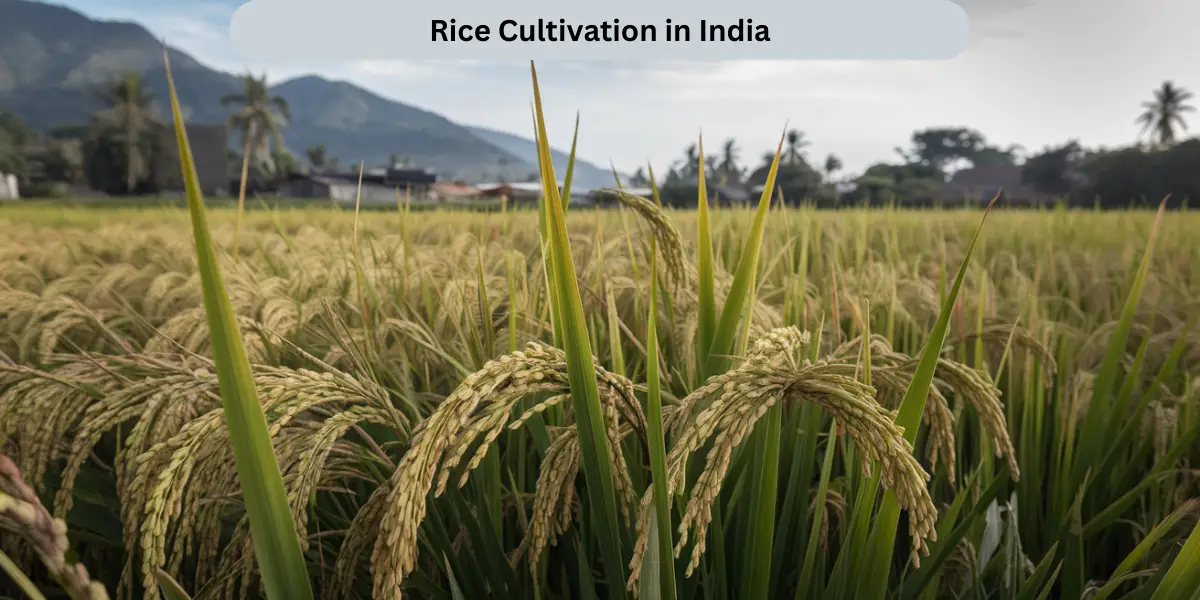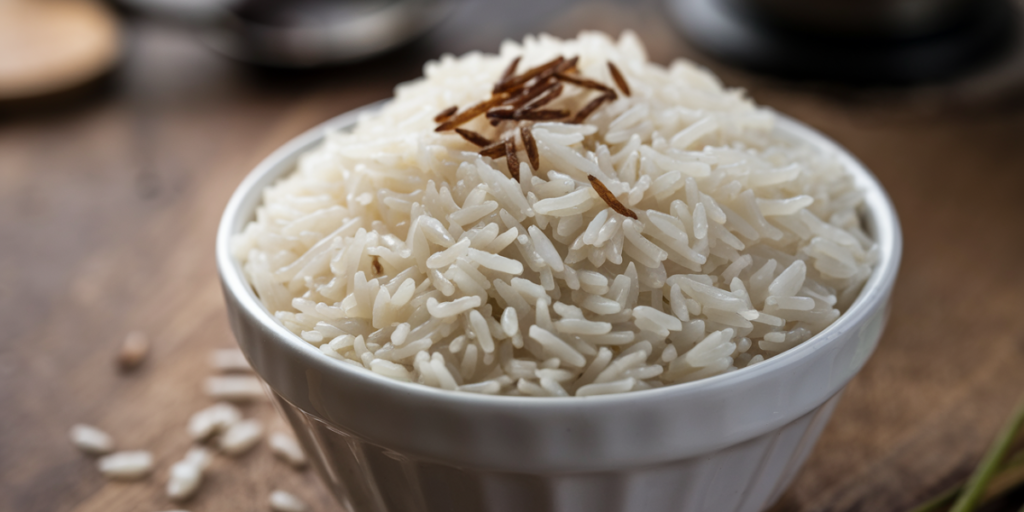

1. Types of Rice: More Than Just the Basics
When you think of rice, you might picture a simple, neutral base to soak up curry. But wait—rice is more than just a backdrop! It’s a culinary star in its own right. There’s long-grain, short-grain, sticky, and, of course, Jasmin rice—the fragrant, aromatic variety that’s slowly gaining fame outside of Southeast Asia. Unlike Basmati rice, which is often associated with Indian cuisine, Jasmin rice has a subtler floral aroma and a softer texture, making it perfect for a variety of dishes.
2. Key Jasmin Rice-Growing Regions in India
You’d probably assume that Jasmin rice is mostly grown in countries like Thailand or Vietnam. But guess what? India’s getting in on the action too! While states like Punjab and Haryana are still obsessed with Basmati, regions like Tamil Nadu, Andhra Pradesh, and Karnataka have been increasingly cultivating Jasmin rice. Here’s where the magic happens:

Reflection: Jasmin rice’s arrival in India is a bit like a plot twist—unexpected but completely fitting. It’s perfect for the region’s climate and offers a new twist on the rice dish.
3. Types of Jasmin Rice Grown in Different Regions
Just like you wouldn’t expect a glass of red wine to taste the same from every vineyard, the Jasmin rice you find in different parts of India might vary. It’s all about the region, climate, and even the soil. Here’s a quick breakdown:

Pro Tip: If you’re after a soft and fragrant rice, go for Sona Masuri from Tamil Nadu. But if you want something with a punch, IR-64 from Andhra Pradesh might just surprise you.
4. Jasmin Rice Yield and Market Prices by Region
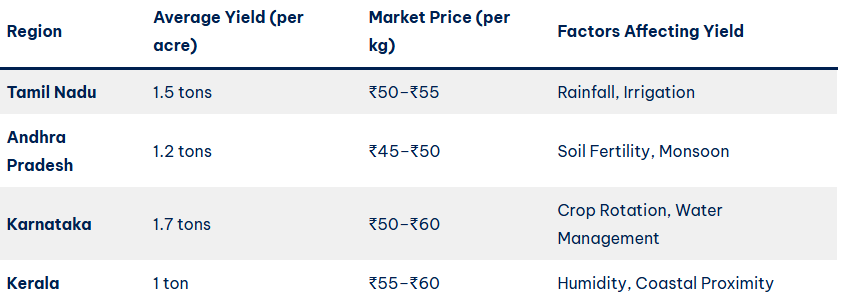
As with any agricultural product, the yield and price of Jasmin rice are never set in stone. It’s kind of like trying to predict the weather—sometimes, it’s sunny and everything grows well, other times, not so much. But here’s a rough estimate of yield and market prices based on region:
Inconsistent Thought: It’s curious that Kerala, with its lush tropical climate, produces less rice per acre compared to Tamil Nadu. Maybe it’s the coastal humidity or a less-developed irrigation system, or maybe it’s just the quirks of farming.
5. Key Metrics for Jasmin Rice Cultivation in India
Growing Jasmin rice isn’t just about planting seeds and waiting for the rain. Oh no. There are a bunch of factors that make all the difference between a batch of bland rice and one that makes you stop and say, “Wow, this smells amazing!” These key metrics are what farmers rely on to get the best yield and quality:
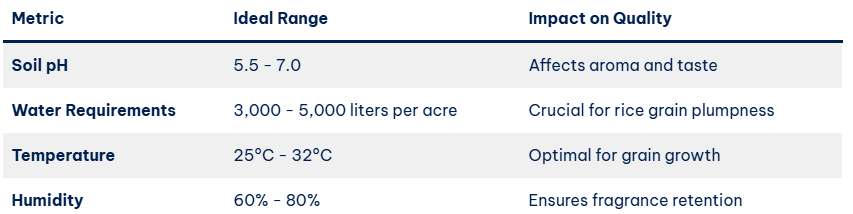
Personal Experience: As someone who’s tried to grow basil (with limited success), I can appreciate the attention to detail farmers must give to their crops. These ideal ranges aren’t just numbers—they represent hours of work, careful monitoring, and a whole lot of patience.
6. Compare Top Jasmin Rice Manufacturers: Rate, Growing Region, Quality & More
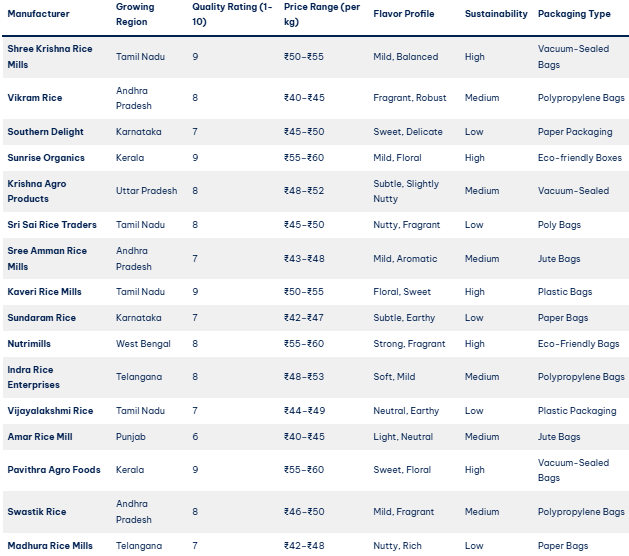
Now, the rice market is not just about where it’s grown, but also about who is growing it. The producers of Jasmin rice vary in terms of quality, pricing, and sustainability. Here’s how some of the top manufacturers stack up:
Quick Tip: While price is important, don’t forget to look at the sustainability practices of the brand. Pavithra Agro Foods and Sunrise Organics are leading the way with eco-friendly packaging.
7. Frequently Asked Questions (FAQs)
- What makes Jasmin rice different from Basmati rice?
Jasmin rice is more fragrant and has a softer texture compared to the firmer, nuttier Basmati rice. It’s also a bit stickier. - Can Jasmin rice be used in all recipes?
Absolutely! It’s great for curries, stir-fries, or even as a side dish. - Is Jasmin rice gluten-free?
Yes, just like all rice, it’s naturally gluten-free. - How do I cook Jasmin rice perfectly?
Rinse the rice to remove excess starch. Use a 1:1.5 rice-to-water ratio and cook on low heat. - Where can I buy Jasmin rice?
It’s available in most large supermarkets or your local Indian grocery store. - Is Jasmin rice better than other rice types?
It depends on your preference! Jasmin rice is ideal if you like a soft, fragrant rice. For firmer, nuttier grains, basmati might be your go-to. - Can I grow Jasmin rice at home?
If you live in a warm, tropical climate with plenty of water, why not try? It’s definitely possible with the right conditions! - What are the health benefits of Jasmin rice?
It’s a good source of carbs and provides energy, though it’s best consumed in moderation. - How does Jasmin rice compare in price with other varieties?
Jasmin rice is often priced similarly to high-quality Basmati rice, but cheaper than specialty rices. - What are some unique recipes using Jasmin rice?
Try Jasmin rice pudding, coconut rice, or even use it to make a fragrant rice pilaf!
Final Thoughts
Jasmin rice, with its delicate aroma and soft texture, is a rice lover’s dream. It’s perfect for those who want a fragrant rice without the overpowering perfume of basmati. Whether you’re cooking a family meal or experimenting with new recipes, this rice can easily become your kitchen companion. So go ahead, try something new—and let Jasmin rice bring a subtle floral note to your next dish.